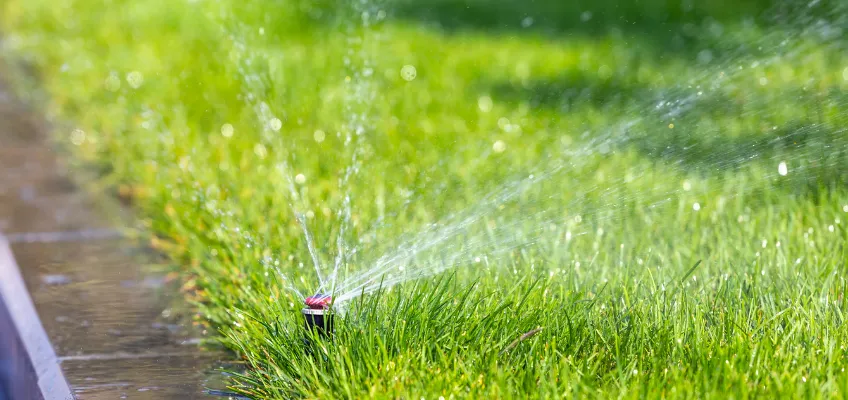
If your sprinkler is running in the rain, your irrigation system may be wasting water when your lawn already has enough moisture. In San Antonio, winter rainfall and cooler temperatures often reduce the need for regular watering. A properly working rain sensor, controller settings, and seasonal maintenance can help prevent unnecessary irrigation and keep your lawn healthy.
Why Are Your Sprinklers Running When It’s Raining?
Automatic sprinkler systems follow programmed watering schedules unless a sensor or controller interrupts the cycle. If your sprinklers continue running during rainfall, the problem could involve incorrect settings, faulty components, or a sensor that isn’t detecting moisture properly. Understanding these common causes can help you identify the issue before unnecessary watering leads to higher water bills or saturated soil.
- Faulty rain sensor: A damaged or disconnected sensor may fail to detect rainfall.
- Incorrect controller settings: Your irrigation schedule may not account for seasonal weather changes.
- Bypassed sensor: The rain sensor may be disabled through the controller.
- Smart controller issues: Weather-based adjustments may be turned off or configured incorrectly.
- Stuck irrigation valve: Water may continue flowing even after the controller stops watering.
Identifying the cause helps prevent unnecessary watering and potential lawn damage. Some issues only require a settings adjustment, while others need professional sprinkler repair.
San Antonio Watering Rules During Rainy Weather
San Antonio Water System (SAWS) requires automatic irrigation systems to have functioning rain sensors. These devices help stop scheduled watering when sufficient rainfall has occurred, reducing unnecessary water use.
SAWS also considers certain irrigation activities during or shortly after rainfall to be water waste. Homeowners should follow applicable watering restrictions and make sure their systems respond properly to wet weather.
For more information, review the official SAWS Rain Sensor Guidelines and Water Waste Rules.
How to Turn Off Sprinklers When It Rains
If your sprinklers are operating during rainfall, you can usually stop them through the irrigation controller. Most systems have built-in options that allow you to pause watering without permanently changing your regular schedule. Taking a few simple steps can help prevent water waste and ensure your irrigation system responds properly to wet weather.
- Stop the current cycle: Select the Off, Stop, or Cancel option on your irrigation controller, depending on the model.
- Activate sprinkler rain delay: Temporarily pause automatic watering while rainfall continues or the soil remains wet.
- Check the rain sensor setting: Confirm that the sensor is enabled and not set to bypass mode.
- Verify the sprinklers stop: If water continues flowing after shutting off the controller, a stuck valve may require repair.
A sprinkler rain delay is especially useful during periods of repeated winter rainfall. Before restoring your normal schedule, check whether the soil still contains enough moisture.
Smart Ways to Prevent Sprinkler Watering During Rain
Keeping your sprinklers from running during rainfall doesn’t have to mean constantly changing your watering schedule. Modern irrigation systems offer several features that help manage water use automatically, especially during San Antonio’s cooler and wetter months. Rain sensors, rain delays, and smart sprinkler controllers each serve a different purpose, from detecting rainfall to adjusting watering based on weather conditions. Understanding how these features work can help you choose the right settings, reduce water waste, and keep your lawn properly watered throughout the season.
Sprinkler Rain Sensor
A sprinkler rain sensor detects sufficient rainfall and automatically interrupts scheduled watering. Many models use moisture-sensitive discs that expand when wet and allow watering to resume after drying.
Sprinkler Rain Delay
A rain delay temporarily suspends irrigation for a selected number of days. It is useful after heavy rainfall when the soil needs additional time to dry before watering resumes.
Smart Sprinkler Controller
A smart sprinkler controller can adjust watering schedules using weather information and programmed landscape conditions. Some models automatically skip irrigation following rainfall, helping reduce water waste when configured correctly.
According to the EPA WaterSense program, WaterSense-labeled weather-based irrigation controllers can improve outdoor water efficiency. However, smart controllers should still meet applicable local rain sensor requirements.
How to Check if Your Sprinkler Rain Sensor Is Working
A rain sensor may stop functioning because of debris, worn components, wiring problems, or incorrect settings. When this happens, your irrigation system may continue watering even after enough rain has fallen. Regular inspections can help you catch these problems early and keep your sprinkler system responding correctly to changing weather conditions.
- Sensor placement: Make sure rainfall can reach the sensor without obstruction.
- Debris buildup: Remove leaves or dirt that could interfere with operation.
- Controller connection: Verify that the sensor is connected and enabled.
- Wireless components: Check battery condition and communication status.
- Sensor response: Follow the manufacturer’s instructions to test whether it interrupts irrigation.
If your sprinkler rain sensor still fails after basic troubleshooting, professional inspection may be necessary. A technician can identify whether the problem involves the sensor, wiring, or controller.
What to Do With Your Sprinkler System After Heavy Rain
Your sprinkler system after heavy rain should remain off until the lawn actually needs additional moisture. Excess water can leave soil saturated, contribute to runoff, and create standing water in low areas. Before restarting your irrigation schedule, it’s important to check lawn conditions and make sure your system hasn’t developed any problems during the wet weather.
- Check soil moisture: Inspect the soil below the surface to determine whether watering is necessary.
- Look for standing water: Identify areas where poor drainage or irrigation leaks may be contributing to pooling.
- Adjust winter schedules: Reduce unnecessary watering when cooler temperatures and rainfall lower irrigation demand.
- Inspect unusual wet spots: Persistent moisture around sprinkler heads or valves may indicate a leak.
Remember that winter watering needs differ from summer conditions in San Antonio. Adjusting your schedule based on soil moisture and applicable SAWS restrictions helps avoid unnecessary water use.
When Should You Call for Sprinkler Repair?
Some irrigation problems cannot be solved through controller adjustments alone. Faulty valves, damaged sensors, or electrical issues can prevent your system from responding properly to rainfall. If your sprinklers repeatedly run during wet weather or continue operating after being shut off, professional troubleshooting can help identify the underlying problem.
Common warning signs include:
- Sprinklers continuing to run when the controller is off.
- Rain sensors failing to interrupt watering.
- Irrigation zones remaining active longer than programmed.
- Controller errors or unresponsive settings.
- Persistent wet spots or unexplained water leaks.
At A&W Irrigation Service, we help San Antonio homeowners identify irrigation problems and keep their systems operating efficiently. Our sprinkler repair and residential irrigation maintenance services can address faulty components, controller issues, and system performance concerns.
Keep Your Sprinkler System Ready for San Antonio’s Wet Weather
A sprinkler running during rainfall can waste water and leave your lawn unnecessarily saturated. Proper rain sensor operation, seasonal controller adjustments, and routine maintenance can help prevent these problems.
Whether you need sprinkler repairs or help adjusting your irrigation system for winter, our team is ready to assist. Contact us to schedule professional sprinkler service in San Antonio, TX.